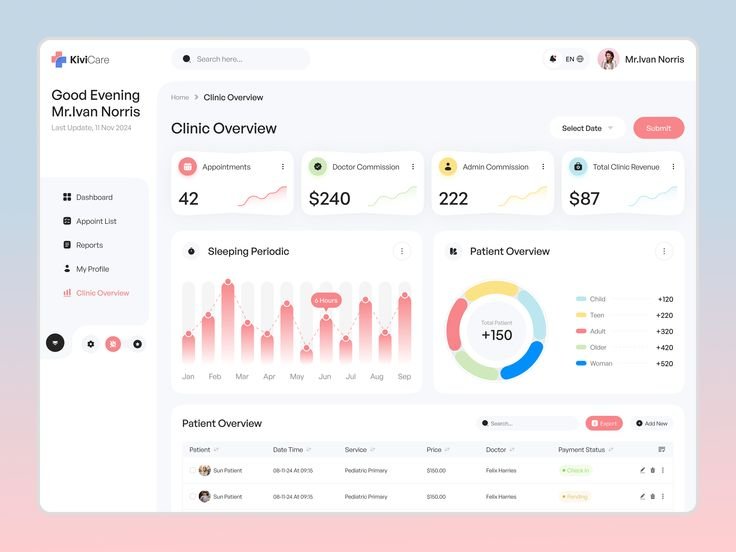
Software as a Service (SaaS) has become the dominant software delivery model for businesses of all sizes. By offering cloud-based applications through subscription models, SaaS has transformed how organizations access, deploy, and manage software solutions.
One of the biggest advantages of SaaS is cost efficiency. Traditional software requires heavy upfront investment in licenses, servers, and maintenance. SaaS eliminates these barriers by allowing businesses to pay only for what they use, making advanced tools accessible to startups and enterprises alike.
Scalability is another major benefit. SaaS platforms can scale resources instantly based on demand. Whether a company is expanding rapidly or adjusting to seasonal workloads, SaaS solutions provide flexibility without infrastructure constraints.
SaaS also enables seamless collaboration. Teams can access applications from anywhere, supporting remote and hybrid work environments. Tools for CRM, project management, accounting, and communication are now essential components of digital workplaces.
Security and maintenance are handled by SaaS providers, reducing the burden on internal IT teams. Regular updates, backups, and security patches ensure reliability and performance.
In conclusion, SaaS platforms are the backbone of modern business operations. Their flexibility, accessibility, and innovation-driven approach make them essential for organizations aiming to stay competitive in a digital-first world.